
Hypertrophic cardiomyopathy (HCM) in cats: the silent heart disease.
Hypertrophic cardiomyopathy is the most common heart disease in cats. The heart muscle thickens abnormally, making the heart less efficient at filling and increasing the risk of clot formation and sudden decompensation. Many cats show no signs until the disease is advanced.
Hypertrophic cardiomyopathy (HCM) is a disease where the muscle walls of the left ventricle become abnormally thick. As the walls thicken, the chamber becomes smaller, and the heart has less room to fill with blood between beats. Over time, this leads to congestive heart failure, formation of clots that can travel from the heart to distant blood vessels (arterial thromboembolism, or ATE), and sometimes sudden death.
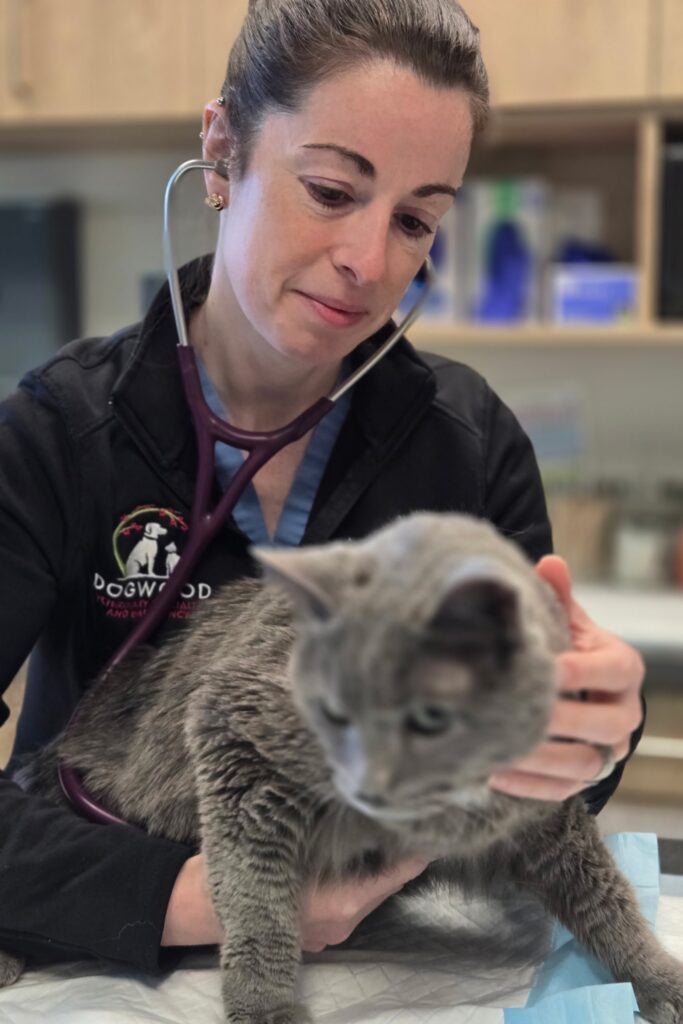
Hypertrophic cardiomyopathy (HCM) is a disease where the muscle walls of the left ventricle become abnormally thick. As the walls thicken, the chamber becomes smaller, and the heart has less room to fill with blood between beats. Over time, this leads to congestive heart failure, formation of clots that can travel from the heart to distant blood vessels (arterial thromboembolism, or ATE), and sometimes sudden death.
Which cats are at risk
HCM affects roughly 1 in 7 cats overall, but the risk is much higher in certain breeds. Maine Coons and Ragdolls have specific genetic mutations that predispose them, and DNA testing is available for both. British Shorthairs, Persians, Sphynx, Norwegian Forest Cats, and mixed-breed cats also develop HCM.
Age of onset varies widely — some cats show signs of HCM as young as 6 months, while others develop it in middle age or later. This makes screening at-risk breeds important even in young, apparently healthy cats.
- Maine Coon — genetic mutation testing available
- Ragdoll — genetic mutation testing available
- British Shorthair
- Persian
- Sphynx
- Norwegian Forest Cat
- Any domestic cat, especially male cats
How HCM shows up — or doesn’t
Most cats with HCM show no outward signs for months to years. The disease is often first detected when a primary veterinarian hears a heart murmur, gallop sound, or arrhythmia during a routine exam. In other cats, HCM is discovered only when they suddenly present with congestive heart failure (labored breathing, coughing rare in cats) or ATE (sudden paralysis of one or both hind legs, extreme pain).
This silent-until-severe pattern is why proactive screening in at-risk breeds matters so much. An echocardiogram can identify mild HCM years before crisis and open a much longer, better-managed course of disease.
Screening, diagnosis, and treatment
Definitive diagnosis requires an echocardiogram (heart ultrasound), which measures wall thickness and heart function directly. Blood tests including NT-proBNP support the picture. In some cases, DNA testing for known mutations helps guide monitoring in breeds like Maine Coon and Ragdoll.
Treatment depends on the stage of disease. Mild HCM may be monitored with periodic rechecks and no medication. Moderate to severe HCM often involves beta-blockers or calcium channel blockers, plus clot-prevention medication (clopidogrel) in cats at higher risk for ATE. Once congestive heart failure develops, treatment adds diuretics and other medications.
Frequently asked questions
Is HCM curable in cats?
No, HCM is not curable, but many cats live for years with appropriate medication and monitoring. Early diagnosis significantly extends good-quality life.
Should my kitten be screened for HCM?
For at-risk breeds (especially Maine Coon and Ragdoll), an echocardiogram before spay/neuter or breeding is worthwhile. For most cats, screening is recommended if a heart murmur or gallop is heard on physical exam.
What is arterial thromboembolism (ATE)?
ATE is a blood clot that forms in the enlarged left atrium of a cat with heart disease, then travels through the arteries to lodge in a peripheral vessel — most commonly the vessels supplying the hind legs. It causes sudden paralysis, extreme pain, and cold rear legs. It is a critical emergency.
Can HCM cause sudden death?
Yes. HCM can cause dangerous arrhythmias and, less commonly, sudden death. This is another reason early diagnosis and monitoring matter.
How often should HCM be monitored?
Mild HCM is typically re-evaluated every 6–12 months. More advanced HCM is monitored more frequently, especially after medication changes or a hospital admission.