Cat Blood Work Explained: Why Baselines Matter
 Cat Blood Work: Why Knowing Your Cat’s ‘Normal’ Could Save Their Life
Cats hide illness exceptionally well — it’s a survival instinct. By the time most cats show visible signs of disease, the condition is already advanced. Routine blood work is one of the most powerful tools our internal medicine team at Dogwood uses to stay one step ahead.
What Is a Baseline?
A baseline is your individual cat’s unique ‘normal’ — their specific organ values, blood counts, and chemistry markers when healthy. Comparing current results to a prior baseline transforms routine rechecks into a precision early-detection tool.
What Cat Blood Work Includes
- Complete Blood Count (CBC): Red cells, white cells, platelets; detects anemia, infection, some cancers
- Chemistry Panel: Liver, kidney, and pancreatic function; flags diabetes, liver disease, kidney disease
- Urinalysis: Kidney filtration quality; screens for UTIs
- Thyroid Hormone (T4): Hyperthyroidism is common in older cats and easily missed without testing
- FeLV/FIV Testing: Immune-suppressing viruses; essential for new cats
- Blood Pressure: Hypertension in senior cats silently damages eyes, kidneys, and heart
Recommended Frequency
- Adult cats (1–7 years): Annually at yearly wellness visits
- Senior cats (8+ years): Twice yearly at each wellness visit
- Cats on chronic medications or with known conditions: Per doctor’s recommendation
Does It Hurt?
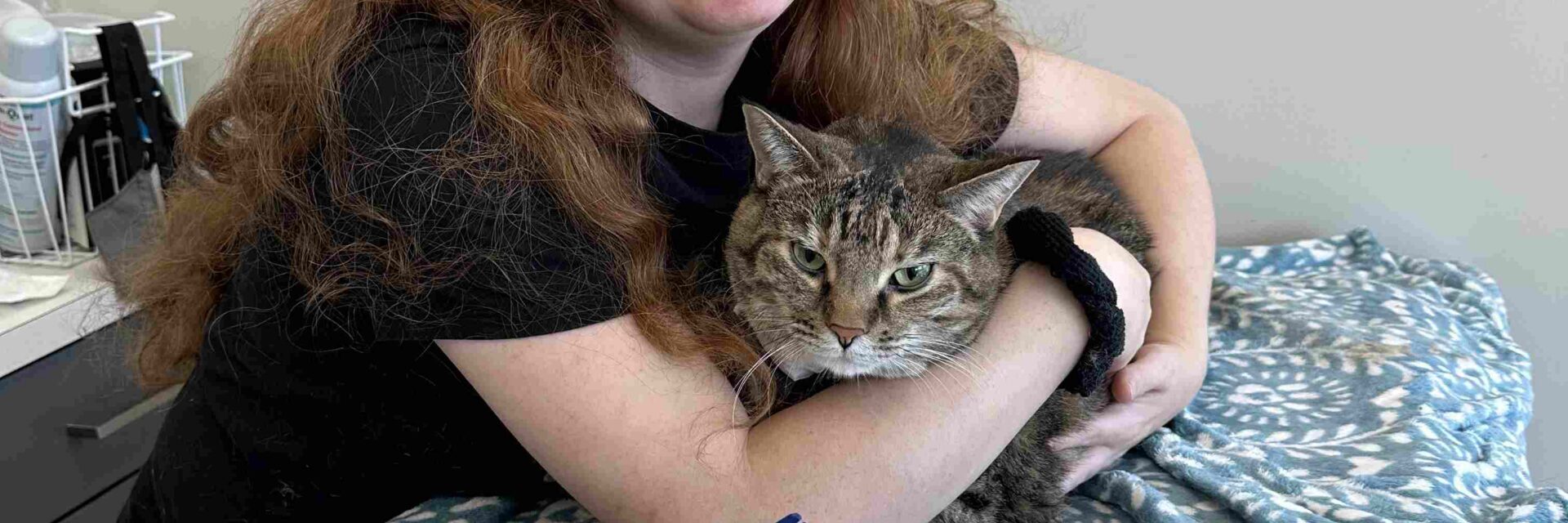
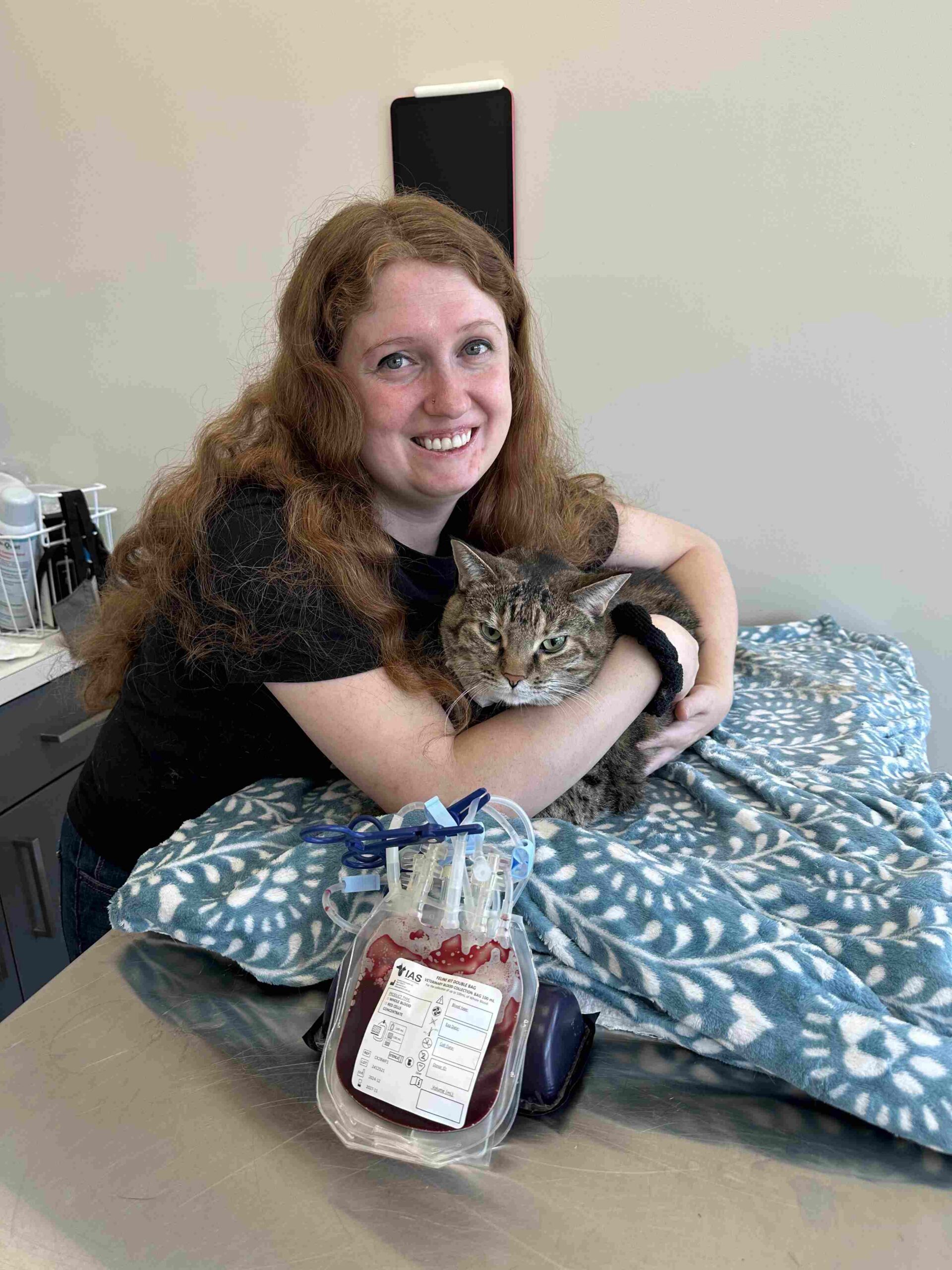
Blood draws in cats are nearly painless — most feel only a brief pinch. The procedure takes just a few minutes. Our team uses gentle handling throughout to keep your cat calm.
Dogwood’s board-certified internal medicine specialists bring specialist-level diagnostic depth to complex feline cases that general practice simply cannot replicate.
Schedule your cat’s wellness bloodwork: Call (404) 609-1234 or email info@dogwood.vet.