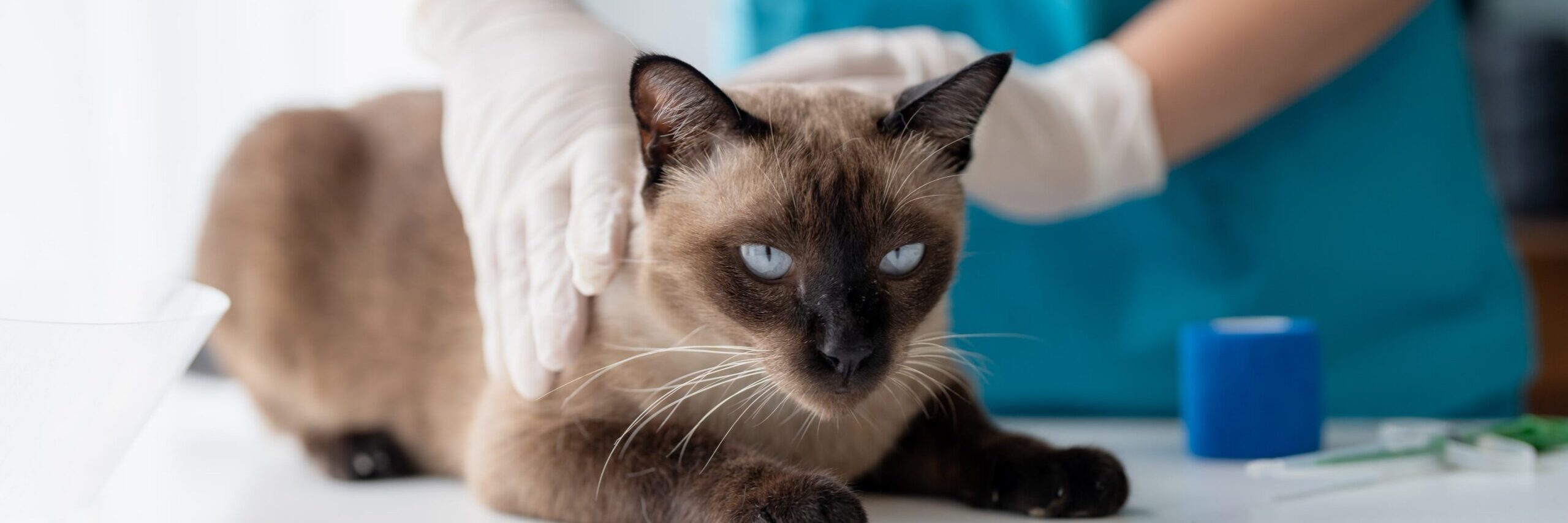
Cat Urinary Blockage: A Life-Threatening Emergency Every Cat Owner Must Know
This is an emergency. If your cat is straining in the litter box and producing little or no urine, come to Dogwood immediately. Open 24/7 — (404) 609-1234. Do not wait.
A urinary blockage prevents your cat from urinating at all. Within 24–48 hours, backed-up toxins cause kidney failure and cardiac arrest. Male cats are at significantly higher risk, but any cat can be affected.
Warning Signs — Come In Immediately
- Straining in the litter box with little or no urine produced
- Crying or vocalizing while attempting to urinate
- Frequent litter box trips with nothing to show
- Excessive licking of the genital area
- Blood in the urine or cloudy urine
- Vomiting, loss of appetite, or refusal to eat
- Hiding, extreme lethargy, or unresponsiveness
Risk Factors
- Male cats (especially neutered males) — highest risk by far
- Dry food-only diets low in moisture
- Insufficient water intake
- Sedentary lifestyle or multi-cat household stress
- History of FLUTD (Feline Lower Urinary Tract Disease)
Emergency Treatment at Dogwood
- Urinary catheterization to relieve the obstruction
- IV fluid therapy to restore hydration and flush toxins
- Pain management and anti-inflammatory medications
- Continuous kidney and electrolyte monitoring
- Surgery (perineal urethrostomy / PU) for severe or recurring cases
Preventing Future Blockages
- Switch to a wet food or prescription urinary health diet
- Provide multiple water sources — cat fountains encourage drinking
- Schedule regular follow-up exams and urinalysis
- Ask about prescription diets that reduce crystal formation
Recurring blockages may require specialist evaluation for SUB device placement. Fortunately, our team of emergency veterinarians in Dunwoody, GA and the surrounding areas is committed to offering innovative pet care treatments. We offer support for pet owners across Atlanta, Marietta, Dunwoody, and Alpharetta. Our internal medicine and surgery teams at Dogwood specialize in complex urinary cases. Give our staff a call at (404) 609-1234 to receive support.