
My Pet Has a Chronic Illness - What Now?
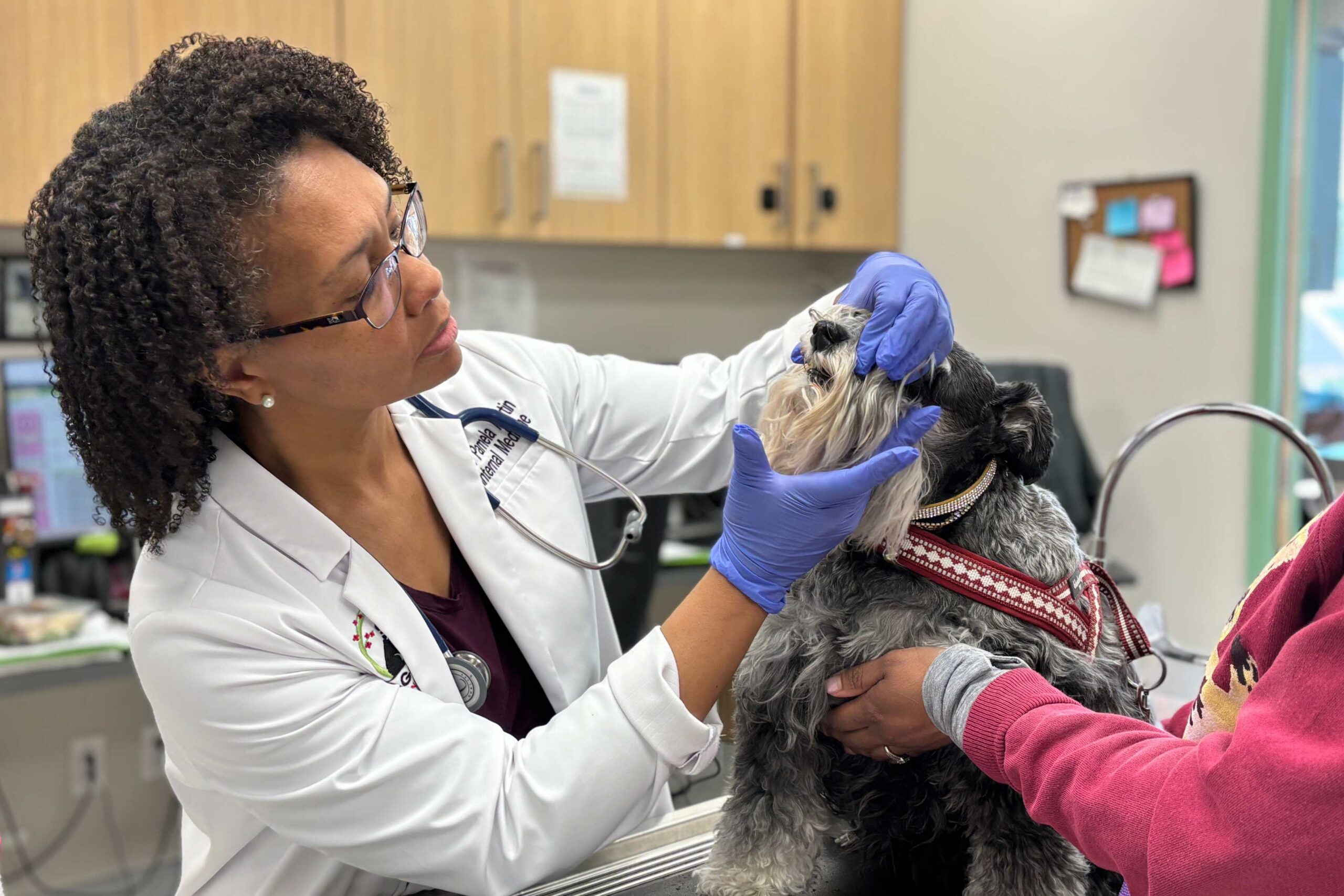 My Pet Has a Chronic Illness – What Now? Your Step-by-Step Guide from Dogwood
The moment a vet says ‘chronic illness’ or ‘this is going to be a long-term thing,’ everything shifts. Whether it’s kidney disease, diabetes, Addison’s disease, or inflammatory bowel disease — the uncertainty can be overwhelming. Dogwood’s internal medicine team has guided hundreds of families through exactly this moment. Here’s what to do next.
Step 1 · Get a Complete Diagnosis Before You Panic
A diagnosis of ‘kidney disease’ or ‘liver disease’ spans an enormous range of severity. Before assuming the worst, get the complete picture: What stage or grade is the disease? What is causing it? What organ systems are involved? What is the expected trajectory — stable, slowly progressive, or rapidly worsening? If you still have unanswered questions after your primary vet visit, a consultation with Dogwood’s internal medicine specialists can provide clarity.
Step 2 · Build Your Monitoring Baseline
Managing chronic illness requires knowing your pet’s ‘normal.’ Our first specialist visit establishes baselines for: bloodwork (organ function, CBC, electrolytes), urinalysis and urine protein levels, blood pressure, and body weight. These baselines are your reference point for every future visit.
Step 3 · Understand Every Medication
Before leaving any appointment, know: What is this for? What are the side effects? Does it need food? What happens if I miss a dose? Are there drug interactions? Write these down. Chronic illness management is a partnership — and you can’t play your part without understanding the tools.
Step 4 · Adjust Your Home Environment
- Kidney disease: Encourage water intake — fountains, multiple bowls, wet food
- Diabetes: Consistent meal times and exercise schedules
- Arthritis: Orthopedic bedding, ramps, non-slip mats
- Heart disease: Minimize stress, monitor resting breathing, avoid heavy exercise
- Hyperthyroidism in cats: Reduce environmental stressors; monitor for weight loss
Step 5 · Keep Your Recheck Schedule – and Honor It
Recheck appointments are where we track disease stability, adjust medications based on current bloodwork, catch new complications early, and update your management plan. Missing rechecks is one of the most common reasons chronic illness patients decline faster than they should. Even when your pet ‘seems fine,’ bloodwork often tells a different story.
Step 6 · Know Your Warning Signs
Before leaving any appointment, ask: ‘What signs should prompt me to call you immediately?’ For most chronic conditions: sudden behavior change, loss of appetite for more than 24 hours, vomiting, sudden weight loss, difficulty breathing, or sudden worsening of known symptoms. Post this list on your refrigerator.
” Many pets with chronic illness live happy, comfortable lives for years — sometimes longer than pets without a diagnosis who simply weren’t being monitored. “
Schedule an Internal Medicine Consultation: Call (404) 609-1234 or email info@dogwood.vet. Walk-ins welcome for emergencies. Specialty consultations by appointment in Marietta, GA.