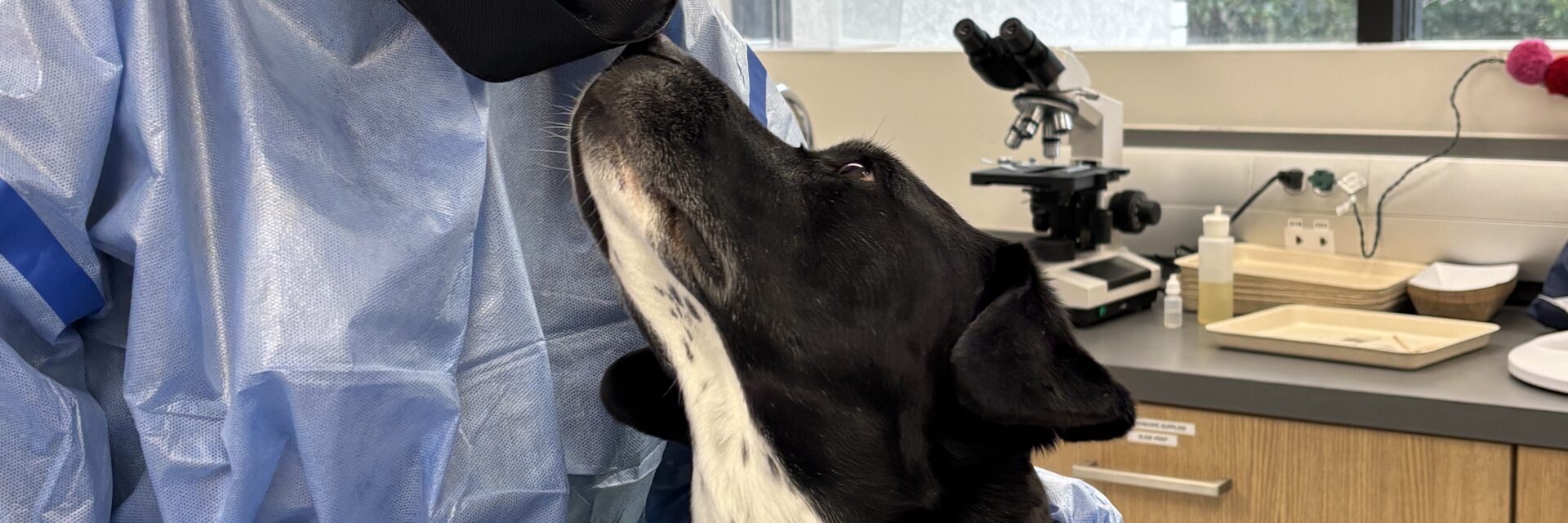
Chemotherapy for dogs, cats, & pets - what to expect
When most people think of chemotherapy, they think of the experience of a family member with cancer — nausea, hair loss, weeks of being unwell. Veterinary chemotherapy is different by design. In cats and dogs, the goal is quality of life first, and doses are chosen accordingly.
One of the most common questions after a cancer diagnosis is: “Should we do chemotherapy?” Many families arrive already worried — understandably — that treatment will be worse than the disease. In human oncology, curative-intent chemotherapy often pushes the body to its limits because the goal is cure. In veterinary oncology, the goal is different: keep the pet feeling well, extend good-quality time, and avoid meaningful side effects. That difference changes everything about how chemotherapy is delivered.
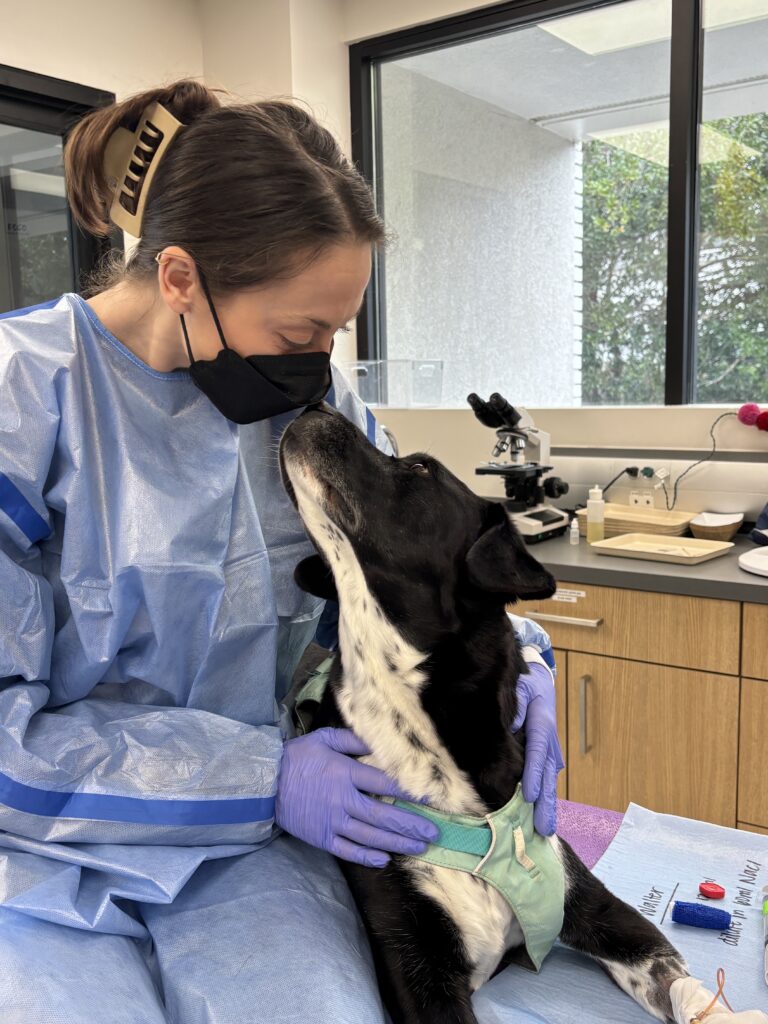
The 20% rule — and what it means.
About 20% of pets on chemotherapy experience some side effects. Of those, the vast majority are mild — a day or two of decreased appetite, mild nausea, or loose stool — and most respond quickly to anti-nausea or anti-diarrhea medication at home. Serious side effects (severe illness, hospitalization) are uncommon.
The remaining 80% of patients go through chemotherapy without noticeable side effects. Their families often say the pet seems entirely themselves throughout treatment.
Why chemotherapy tolerability differs so much from humans.
Human chemotherapy is typically given at the highest doses the body can tolerate, because the goal is cure. Side effects are considered acceptable in service of that goal.
In veterinary oncology, quality of life is the primary goal. Doses are chosen at a level that maintains quality of life first and extends good time second. This philosophy — along with modern anti-nausea medications used routinely at home — is why most pets go through chemotherapy without meaningful disruption to their normal lives.
What treatment looks like in practice.
For most protocols, chemotherapy visits occur every 1–3 weeks. Each visit typically takes an hour or two: bloodwork is checked to make sure the immune system and organs are healthy enough for the next dose, then the medication is given (often as a quick IV injection). Most pets go home the same day and are usually back to normal within a few hours.
Between visits, families monitor for appetite, energy, and any GI signs. Anti-nausea and anti-diarrhea medications are usually sent home so mild side effects can be treated immediately if they occur. Our oncology team is available for questions between visits.
- Visits every 1–3 weeks depending on protocol
- Bloodwork before every treatment to confirm safety
- Quick IV or oral medication administration
- Home the same day
- Anti-nausea and anti-diarrhea medications available for home use
- Adjustments made to dose or protocol if side effects appear
Deciding whether chemotherapy is right for your pet.
Chemotherapy is not the right choice for every pet or every family. Some cancers respond dramatically to chemotherapy; others do not. Some families weigh cost, travel, or other factors that make treatment less feasible. A palliative care approach — focused on comfort and quality of life — is a valid choice at any point.
Our oncology team walks through every option — multi-agent chemotherapy, single-agent chemotherapy, targeted therapies, electrochemotherapy, immunotherapy, and palliative care — and helps families choose the plan that fits their pet and their goals. There’s no wrong answer, just the right answer for your family.
Frequently asked questions
Will my pet lose their hair during chemotherapy?
Most dogs and cats don’t lose fur during chemotherapy. Some breeds with continuously growing coats — Poodles, Maltese, Shih Tzu, Old English Sheepdogs — may see some thinning.
How long does chemotherapy last?
It depends on the protocol. Some are as short as a few weeks; others last 6 months or longer with a maintenance phase. Rescue protocols (used when the first remission ends) may add additional cycles.
What are the most common side effects?
Mild GI upset (decreased appetite, mild nausea, loose stool) is the most common. Low white blood cell counts occur in some pets and are checked with bloodwork before each treatment. Serious side effects (severe illness, hospitalization) are uncommon.
Do I need to keep my pet away from family after chemotherapy?
Precautions vary by medication. Most oral chemotherapies have specific handling instructions (gloves when giving the pill, careful cleanup of body fluids for 48–72 hours after dose). Our team walks through the specific precautions for your pet’s protocol.
Can I stop chemotherapy at any time?
Yes. Chemotherapy is always a family decision. If side effects, cost, travel, or philosophical concerns make continuing treatment the wrong choice, we transition to palliative care and continue to support your pet and family.