Pet trauma: fractures, wounds, and what to do first.
Time matters with trauma. Hit by car, dog fight, fall from height, or chest injury — rapid stabilization, imaging, and surgical capability all in one place make the difference. Dogwood’s ER and orthopedic teams work together 24/7.
Trauma is a frequent reason for emergency visits, and even pets that look “fine” right after an accident may have internal bleeding, lung contusions, diaphragmatic hernia, or shock that develops over hours. A thorough trauma workup catches these problems early.
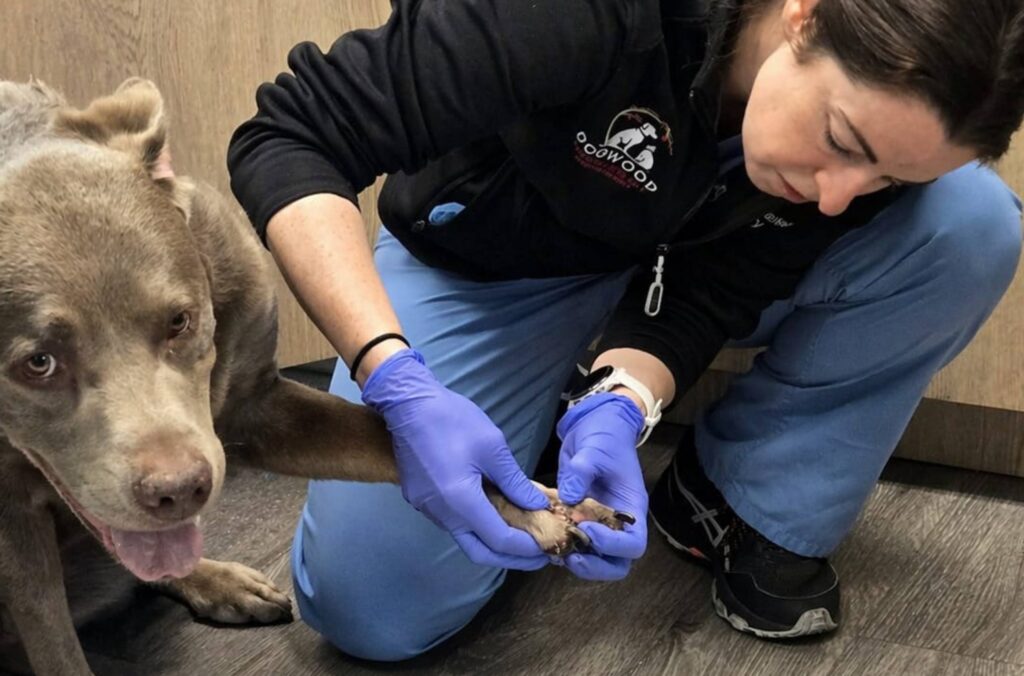
Warning signs — come in immediately
- Visible bleeding or open wounds
- Limping, holding up a leg, or refusing to bear weight
- Difficulty breathing or noisy breathing after a chest injury
- Distended or painful abdomen
- Pale or grey gums (signs of internal bleeding)
- Disorientation, weakness, or collapse
- Bite wounds — even if they look small (deep tissue damage is common)
- Burns, electrical injury, or smoke inhalation
Risk factors & who’s most at risk
- Off-leash dogs near roadways
- Outdoor cats with exposure to traffic, predators, or other animals
- Multi-pet households with conflict
- Open windows or balconies in high-rise buildings (especially cats)
- Working or hunting dogs in active environments
Emergency treatment at Dogwood
- Immediate triage and shock stabilization
- Oxygen therapy when respiratory function is compromised
- FAST ultrasound and full-body imaging (x-ray, CT) to identify hidden injuries
- Bloodwork including TEG to assess clotting after major trauma
- Pain management with multimodal protocols
- Wound care, lavage, and surgical repair when needed
- Fracture repair by board-certified and board-eligible orthopedic surgeons
- ICU monitoring overseen by board-certified critical care specialists
What you can do at home & after
- Activity restriction tailored to injury severity
- Pain medications and antibiotics as prescribed
- Recheck appointments to monitor incision sites and healing
- Physical rehabilitation when indicated
- Bandage care and wound monitoring at home
- Behavior support if trauma was caused by attack or assault (we’ll involve our behavior team if needed)
Frequently asked questions
My pet got hit by a car but seems fine. Do I still need to come in?
Yes. Pets can have internal bleeding, lung contusions, or diaphragmatic hernias that don’t show symptoms for hours. A trauma workup with imaging and bloodwork catches these early when they’re treatable.
How quickly should bite wounds be treated?
Within hours, ideally. Bacteria from teeth contaminate deep tissue and abscesses can develop quickly. Early flushing, antibiotics, and sometimes surgical exploration prevent serious complications.
What if my pet has a broken bone?
Suspected fractures should be evaluated and stabilized as soon as possible. Some fractures need surgery (plates, screws, pins); others can be managed with splints. Our orthopedic team will discuss the best option for your pet.
Will my pet need surgery for a chest injury?
It depends. Pneumothorax (air in the chest) and lung contusions often improve with oxygen and supportive care; a diaphragmatic hernia or major bleeding requires surgery. Imaging tells us which scenario we’re dealing with.