
Is Your Pet Drinking Too Much Water? Signs of Diabetes in Dogs and Cats
Your dog has been house-trained for years. Then one morning you find a puddle on the kitchen floor. The next day, another one by the back door. Your first thought might be that something behavioral has changed—maybe stress, maybe age. But before you call a trainer, consider this: your dog could be telling you something is wrong medically.
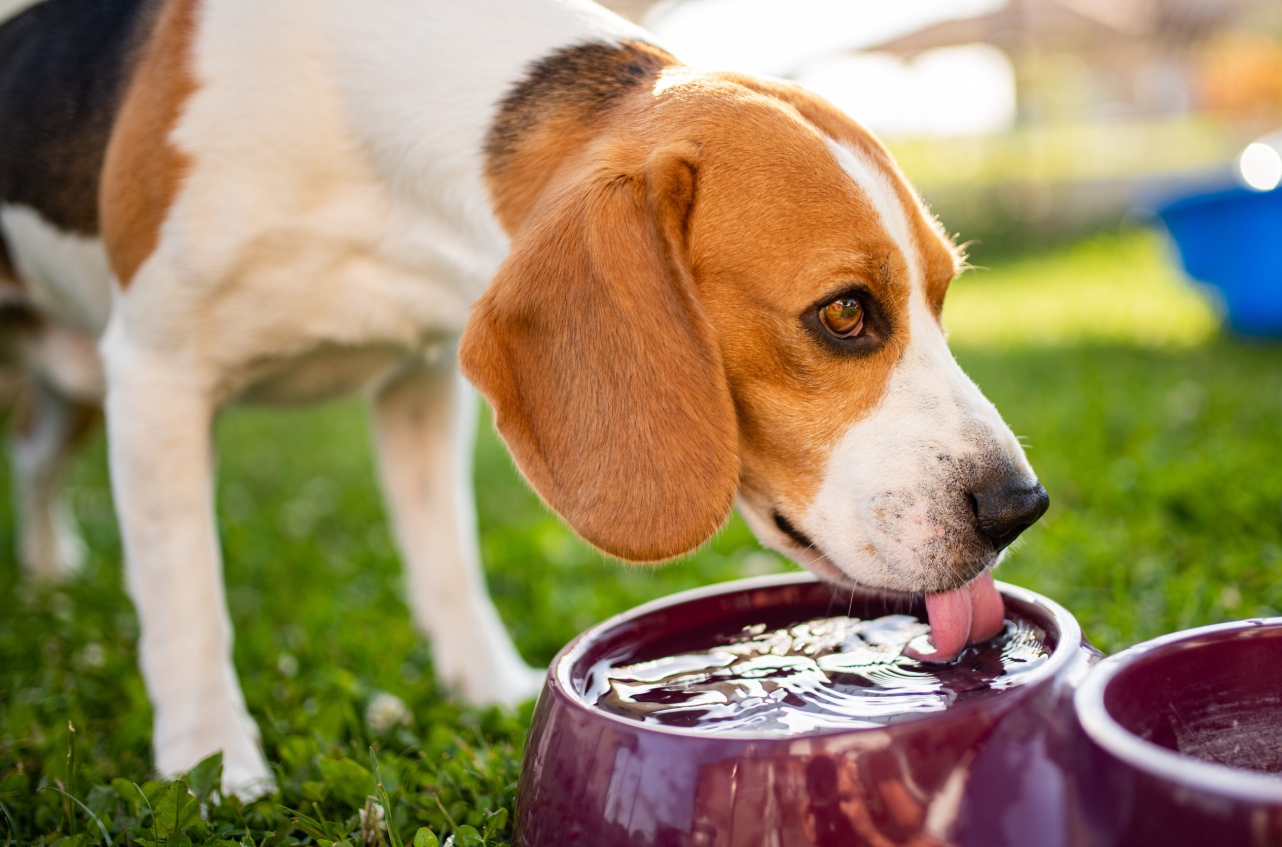
A dog peeing in the house despite being reliably trained, or a cat peeing outside the litter box, is one of the most common early signs of diabetes in pets. And it almost always comes paired with another telltale clue: your pet is drinking a lot more water than usual. If your dog’s water bowl empties faster than it used to, or your cat has discovered the dripping faucet, pay attention. These changes can be the first indicators of a serious but manageable condition—if caught early.
Common Symptoms Owners Notice First
Diabetes in dogs and cats doesn’t announce itself dramatically. It creeps in through everyday changes that are easy to dismiss. Here are the signs owners most frequently report:
- Excessive thirst (polydipsia): Your pet is drinking far more water than normal. You’re refilling the bowl multiple times a day, or your cat is seeking out unusual water sources.
- Frequent urination (polyuria): More water in means more water out. Dogs may have accidents indoors. Cats may urinate outside the litter box or have noticeably wetter litter.
- Weight loss despite eating normally: A hallmark of diabetes. Your pet eats the same amount—or more—but still loses weight because the body can’t use glucose for energy.
- Increased appetite: Because their cells are starving for energy, diabetic pets often feel hungrier than usual.
- Cloudy eyes (dogs): Diabetic dogs frequently develop cataracts, sometimes rapidly. If your dog’s eyes look hazy or bluish-white, diabetes could be the cause.
- Plantigrade stance (cats): Cats with uncontrolled diabetes may walk flat on their hocks rather than on their toes—a sign of diabetic neuropathy.
- Lethargy: A pet that sleeps more or lacks their usual energy could be dealing with elevated blood sugar.
Any one of these symptoms on its own might not seem alarming, but when you notice two or three together—especially excessive thirst and weight loss—it’s time to see a veterinarian.
 What Is Diabetes in Pets?
Diabetes mellitus in pets works similarly to diabetes in people, though there are important differences. At its core, diabetes is a problem with insulin—the hormone that allows cells to absorb glucose from the bloodstream and use it for energy.
In dogs, diabetes is most commonly similar to Type 1 diabetes in humans. The pancreas stops producing enough insulin, usually because the immune system has damaged the insulin-producing cells. Dogs almost always require lifelong insulin injections.
In cats, diabetes more closely resembles Type 2 diabetes. The body still produces some insulin, but the cells become resistant to it. With early intervention—diet changes, weight management, and insulin therapy—some cats can go into remission and may eventually no longer need insulin. However, this depends heavily on how early the disease is caught.
Regardless of type, the result is the same: glucose builds up in the bloodstream because it can’t get into the cells. The kidneys flush out excess sugar through urine, pulling water along with it—which is why your pet drinks so much and urinates so frequently. Meanwhile, the body’s cells are starving, triggering weight loss and increased hunger.
The Danger of Waiting: Diabetic Ketoacidosis
When diabetes goes untreated, the body breaks down fat for energy at an accelerated rate, producing acidic byproducts called ketones. When ketones accumulate, they create a life-threatening condition called diabetic ketoacidosis, or DKA.
DKA is a veterinary emergency. It can develop over days or even hours, and without immediate treatment, it can be fatal. This is why early diagnosis of diabetes is so critical—the goal is to catch and manage the disease before it ever reaches this point.
Signs that a diabetic pet may be developing DKA include:
- Vomiting that doesn’t resolve
- Refusing to eat or complete loss of appetite
- Severe lethargy or weakness—your pet may not want to stand or move
- Sweet or fruity-smelling breath, caused by ketones
- Rapid or labored breathing
- Dehydration and collapse
If your diabetic pet suddenly stops eating, begins vomiting, or becomes unusually weak, do not wait—come to the emergency room immediately. At Dogwood, our emergency team stabilizes DKA patients with intensive care, IV fluids, electrolyte correction, and carefully managed insulin therapy.
Other Conditions With Similar Symptoms
Excessive thirst, frequent urination, and weight loss aren’t exclusive to diabetes. Several other conditions produce similar symptoms, which is why diagnostic testing matters:
- Cushing’s disease (hyperadrenocorticism): Common in middle-aged and older dogs, Cushing’s disease causes excess cortisol production. Symptoms include excessive thirst, increased urination, a pot-bellied appearance, and hair loss. Cushing’s disease in dogs can also occur alongside diabetes, complicating management.
- Chronic kidney disease: As the kidneys lose their ability to concentrate urine, pets drink more to compensate. Weight loss, decreased appetite, and increased urination are common signs, especially in older cats.
- Hyperthyroidism (cats): An overactive thyroid speeds up metabolism, causing weight loss despite a ravenous appetite, along with increased thirst and urination. This must be ruled out when investigating diabetes-like symptoms in senior cats.
A thorough diagnostic workup ensures that the right condition is identified and that treatment targets the actual problem—not just the symptoms.
Diagnosis and Treatment at Dogwood
If you’ve noticed your pet drinking excessively, losing weight, or having urinary accidents, the first step is a diagnostic visit. At Dogwood, our internal medicine team specializes in conditions like diabetes. A standard workup includes:
- Complete blood panel: Measures blood glucose and evaluates organ function. Persistently elevated blood sugar is a key indicator of diabetes.
- Fructosamine test: Provides an average of your pet’s blood sugar over two to three weeks, confirming diagnosis rather than relying on a single reading that stress could affect.
- Urinalysis: Checks urine for glucose and ketones. Healthy pets should not have sugar in their urine, so its presence is a strong indicator.
- Additional testing: Your veterinarian may recommend thyroid testing (cats), cortisol testing to rule out Cushing’s disease (dogs), or abdominal ultrasound.
Once diabetes is confirmed, treatment begins with insulin therapy. Your veterinary team will determine the right type and dose of insulin, teach you how to give injections at home (it’s easier than most owners expect), and create a monitoring plan. Dietary changes are also important—high-protein, low-carbohydrate diets are often recommended, particularly for cats.
Because Dogwood has both internal medicine and a 24-hour emergency team under one roof, your pet’s care is coordinated. If a complication arises—whether it’s difficult glucose regulation or an urgent DKA episode—our specialists and emergency veterinarians work together seamlessly.
Living With a Diabetic Pet
A diabetes diagnosis can feel overwhelming. The idea of giving insulin injections twice a day, monitoring blood sugar, and adjusting diet is a lot to take in. But most pet owners adapt quickly, and most diabetic pets do very well with proper management.
Here’s what daily life typically looks like:
- Insulin injections: Given once or twice daily at mealtimes. The needles are very small, and most pets barely notice. Your veterinary team will walk you through the technique.
- Consistent feeding schedule: Diabetic pets do best with meals at the same times each day, keeping blood sugar stable.
- Regular monitoring: Periodic glucose curves and check-ups ensure the insulin dose is working. At-home glucose monitors for pets are also becoming more accessible.
- Watching for warning signs: You’ll learn to recognize blood sugar that’s too high (increased thirst, urination) or too low (weakness, trembling, disorientation).
With routine and commitment, diabetic dogs and cats live happy, comfortable, and full lives. Many owners say that once they get into the rhythm, managing diabetes becomes just another part of daily life.
When to Schedule a Visit—and When to Come to the ER
If your dog is drinking a lot of water, your cat is peeing outside the litter box, or you've noticed unexplained weight loss, don't wait to see if it resolves on its own. Early diagnosis means earlier treatment, better outcomes, and a lower risk of a diabetic crisis.
Schedule a diagnostic visit with Dogwood's internal medicine team by calling us or visiting www.dogwood.vet/. We'll get answers and build a treatment plan tailored to your pet.
If your pet is already diabetic and shows signs of crisis—vomiting, not eating, extreme weakness, or sweet-smelling breath—come to Dogwood's emergency room immediately. Our emergency vet team in Marietta is here 24/7.
Your pet can't tell you something is wrong with words—but they're telling you with their behavior. Trust what you're seeing, and let us help. Give our professionals a call at (404) 609-1234 to receive assistance.