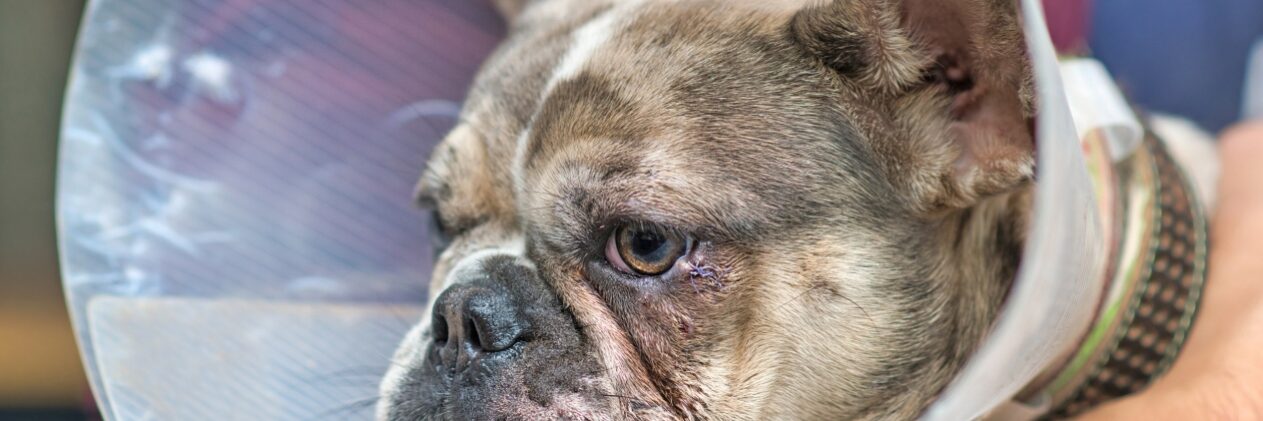
Dog Fight Injuries: Emergency Treatment and How to Prevent It From Happening Again
A dog fight can happen in seconds — at the dog park, on a walk, or even between dogs in the same household. If your dog has just been in a fight or attacked by another dog, staying calm and acting quickly can make a critical difference in the outcome. Here is what to do right now.
- Separate the dogs safely. Never reach between two fighting dogs with your hands. Use a loud noise, a barrier like a trash can lid, or grab the aggressor’s hind legs and pull back in a wheelbarrow motion. Once separated, move the dogs completely out of each other’s line of sight.
- Do a quick visual assessment. Look for obvious bleeding, limping, difficulty breathing, or swelling. Check the neck, chest, abdomen, and legs — these are the most common bite targets. Even if your dog seems fine, do not skip the next step.
- Get to an emergency vet immediately. Dog bite wounds are deceptive. What looks like a small puncture on the surface can hide extensive damage underneath. Time matters — the sooner your dog receives treatment, the lower the risk of serious infection or complications.
Why Dog Bite Wounds Are More Serious Than They Look
One of the most dangerous things about a dog bite wound is how minor it can appear on the surface. A small puncture wound in the skin may be the only visible sign of injury, but underneath, the damage can be extensive. Understanding why is essential for every dog owner.
- The iceberg effect. A dog’s jaws generate hundreds of pounds of crushing force. When teeth penetrate the skin, they create a small entry wound that seals over quickly. But beneath that surface, the teeth have torn through muscle, connective tissue, and sometimes deeper structures. The puncture wound acts like a cap, trapping bacteria in a warm, moist environment — the perfect conditions for infection.
- Infection risk is high. Dog mouths harbor aggressive bacteria including Pasteurella, Staphylococcus, and Streptococcus species. Once these bacteria are driven deep into tissue by a bite, infection can develop within 24 to 48 hours. Without treatment, a simple-looking puncture wound can progress to a painful abscess, cellulitis, or even sepsis — a life-threatening systemic infection.
- Crushing injuries cause hidden damage. Beyond punctures, the sheer pressure of a bite can bruise and devitalize large areas of muscle and tissue that may not show external signs for days. Damaged tissue loses blood supply and begins to die, creating a breeding ground for bacteria and sometimes requiring surgical removal.
- Wounds to the chest or abdomen can be life-threatening. Bite wounds to the torso may penetrate the chest wall or abdominal cavity. These injuries can cause pneumothorax (collapsed lung), internal bleeding, or organ damage that requires emergency surgery.
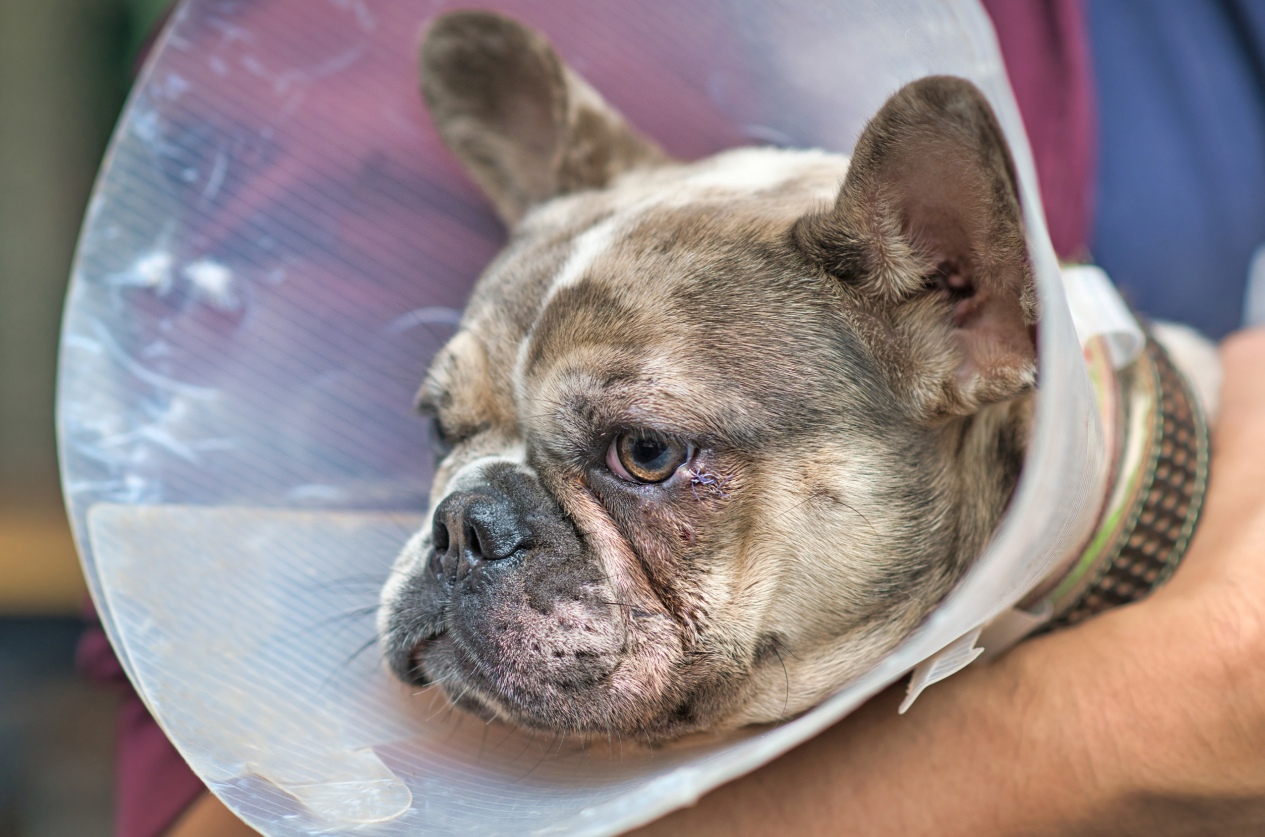 What to Expect at Dogwood’s Emergency Room
When you arrive at Dogwood’s emergency hospital with a dog fight injury, our team will triage your dog immediately. Here is what the treatment process typically looks like:
- Thorough wound exploration. Our veterinarians will carefully examine every wound, often under sedation or anesthesia. What appears to be a single puncture may reveal extensive tearing beneath the surface. We need to assess the full extent of tissue damage to create the right treatment plan.
- Wound cleaning and debridement. Bite wounds are flushed extensively with sterile saline to remove bacteria and debris. Damaged or dead tissue is carefully removed to promote healthy healing. This is one of the most important steps in preventing dog bite infection.
- Drain placement. For deep wounds or those with significant tissue damage, surgical drains may be placed to allow fluid and bacteria to escape rather than building up under the skin. Drains are typically removed after a few days once drainage decreases.
- Antibiotics and pain management. Broad-spectrum antibiotics are started right away to combat the multiple bacteria species introduced by the bite. Pain management is a top priority — your dog will receive injectable pain medications and go home with oral medications to keep them comfortable during recovery.
- Surgery for severe cases. Extensive bite wounds may require dog fight stitches, reconstructive surgery, or repair of deeper structures. Chest and abdominal bite wounds often need emergency surgery to address internal damage. Our surgical team is available around the clock.
Treating the Wound Is Step One. Preventing the Next Fight Is Step Two.
Once your dog is treated and recovering, there is an equally important question to address: how do you prevent this from happening again? Whether your dog was the one who was attacked or the one who started the fight, a behavior-focused approach is essential for long-term safety.
Understanding Why Dogs Fight
Dog aggression is one of the most common — and most misunderstood — behavior issues. If your dog has been involved in a fight, it is natural to feel worried, frustrated, or even ashamed. We want you to know: aggression in dogs is a behavioral response, not a character flaw, and it is not your fault. Most importantly, it is treatable.
Dogs fight for a variety of reasons, and understanding the root cause is the first step toward solving it:
- Fear-based aggression. This is the most common type. A dog who feels threatened or cornered may lash out defensively. Many dogs who are labeled “aggressive” are actually deeply afraid. Reactive dog behavior on leash — barking, lunging, snarling at other dogs — is often rooted in fear.
- Resource guarding. Some dogs will fight to protect food, toys, resting spots, or even their owner’s attention. This is a normal canine instinct that can escalate dangerously without professional intervention.
- Redirected aggression. A dog who is aroused or frustrated by something they cannot reach — like a dog behind a fence — may redirect that energy toward a nearby dog or person. These incidents often appear to come out of nowhere.
- Poor socialization. Dogs who were not properly socialized during the critical developmental period (roughly 3 to 14 weeks of age) may lack the skills to communicate appropriately with other dogs. They may misread signals, escalate too quickly, or fail to show normal appeasement behaviors.
- Pain-related aggression. A dog in pain — from arthritis, a dental problem, an ear infection, or another medical condition — may become aggressive when touched or approached. This is why a veterinary examination is always part of a behavior evaluation.
Whatever the cause, punishing a dog for aggressive behavior almost always makes it worse. Dogs need professional help, not corrections, to change these deeply ingrained responses.
How Dogwood’s Behavior Team Can Help
Dogwood Veterinary Specialty and Emergency has a dedicated veterinary behavior service staffed by specialists who focus exclusively on complex behavior problems, including dog aggression. This is not basic obedience training — this is veterinary behavioral medicine, backed by science and tailored to your dog’s specific needs.
Here is what a behavior consultation at Dogwood looks like:
- Comprehensive evaluation. Our dog behavior specialist will take a detailed history of your dog’s behavior, medical background, home environment, and the specific circumstances that trigger aggression. A physical exam and sometimes lab work help rule out underlying medical causes.
- Individualized treatment plan. No two dogs are the same, and no two behavior plans should be either. Your treatment plan may include management strategies to prevent incidents, desensitization and counterconditioning protocols, environmental modifications, and clear safety guidelines.
- Medication when appropriate. For many dogs with aggression, anxiety, or reactivity, behavioral medication can be a game-changer. Just as humans may need medication for anxiety disorders, dogs can benefit from targeted pharmacotherapy that reduces their baseline stress level. Medication does not sedate your dog or change their personality — it gives them the neurological capacity to learn new, safer responses. Our veterinary behaviorist will discuss whether medication is right for your dog.
- Collaboration with trainers. Dogwood’s behavior team works closely with qualified trainers to ensure your dog’s treatment plan is implemented consistently. The combination of veterinary behavioral medicine and professional training support gives dogs the best chance at lasting improvement.
Signs Your Dog Needs a Behavior Consultation
If you recognize any of the following in your dog, it is time to seek professional dog aggression help:
- Growling, snapping, or showing teeth at other dogs or people
- Lunging or barking aggressively at other dogs on leash
- Stiffening, hard staring, or raised hackles when encountering other dogs
- A history of biting another dog or person, even if it did not break skin
- Increasing intensity or frequency of reactive episodes
- Guarding food, toys, or spaces aggressively
- Any bite that has caused a wound requiring medical attention
These behaviors rarely improve on their own and often escalate over time. Early intervention from a veterinary behaviorist gives your dog the best prognosis for meaningful, lasting change.
Take the Next Step
If your dog has been injured in a fight, do not wait. Bring them to Dogwood’s emergency hospital immediately — we are open 24 hours a day, 7 days a week, 365 days a year. Our emergency vet team in Marietta is ready to provide expert dog bite wound treatment the moment you walk through our doors. Call us at (404) 609-1234 or come directly to 1234 Powers Ferry Common SE, Marietta, GA 30067.
If your dog is showing signs of aggression or reactivity, schedule a consultation with Dogwood’s veterinary behavior service. You do not have to navigate this alone, and your dog’s behavior can improve with the right support. There is no judgment here — only a team that is committed to helping you and your dog live safer, less stressful lives together.